Our science
/////////////////////////
translating innovative research into powerful disease control strategies
We study the molecular interactions between mosquitoes, human pathogens, and environmental mosquito-killing bacteria; how a mosquito’s own defenses and bacteria can be used to make it unable to transmit pathogens to people. Ultimately, we translate this basic science into innovative public health tools such as genetically modified mosquitoes, new transmission-blocking vaccines and microbe-based biopesticides.
//////////////////////////////////////////
THEMES IN OUR WORK
-
Mosquito - Pathogen - Microbe interactions
///////////////////////
Mosquitoes can only spread diseases like malaria and viral infections after the pathogens survive and grow inside their bodies.
Our research examines how mosquitoes, the pathogens they carry, and the microbes living in and around them interact—so we can find weak points in this process. By studying these interactions, we aim to block disease transmission by strengthening mosquito immunity, disrupting proteins the pathogens depend on, and using helpful microbes such as Wolbachia to stop pathogens from developing.
-
Genetically modifed mosquitoes to stop disease transmission
///////////////////////
Current mosquito-control methods require constant maintenance and aren’t enough to stop the spread of disease.
We are developing genetically engineered mosquitoes with a stronger immune system so that they can’t transmit pathogens. Using gene drive technology, these protective traits can spread through wild mosquito populations, creating a long-lasting and environmentally friendly way to reduce disease transmission.
-
Microbial biopesticides
///////////////////////
Mosquitoes are becoming resistant to chemical insecticides, making it harder to control diseases they spread.
We are developing eco-friendly microbial biopesticides that use naturally occurring bacteria to safely and effectively kill mosquitoes, even those that no longer respond to traditional chemicals. Our leading candidate, Chromobacterium Csp_P, can kill both larval and adult mosquitoes and even helps reverse insecticide resistance, restoring the power of existing control tools.
//////////////////////////////////////////
// Featured Project //
Dissecting mosquito - pathogen interactions and development of transgenic mosquitoes
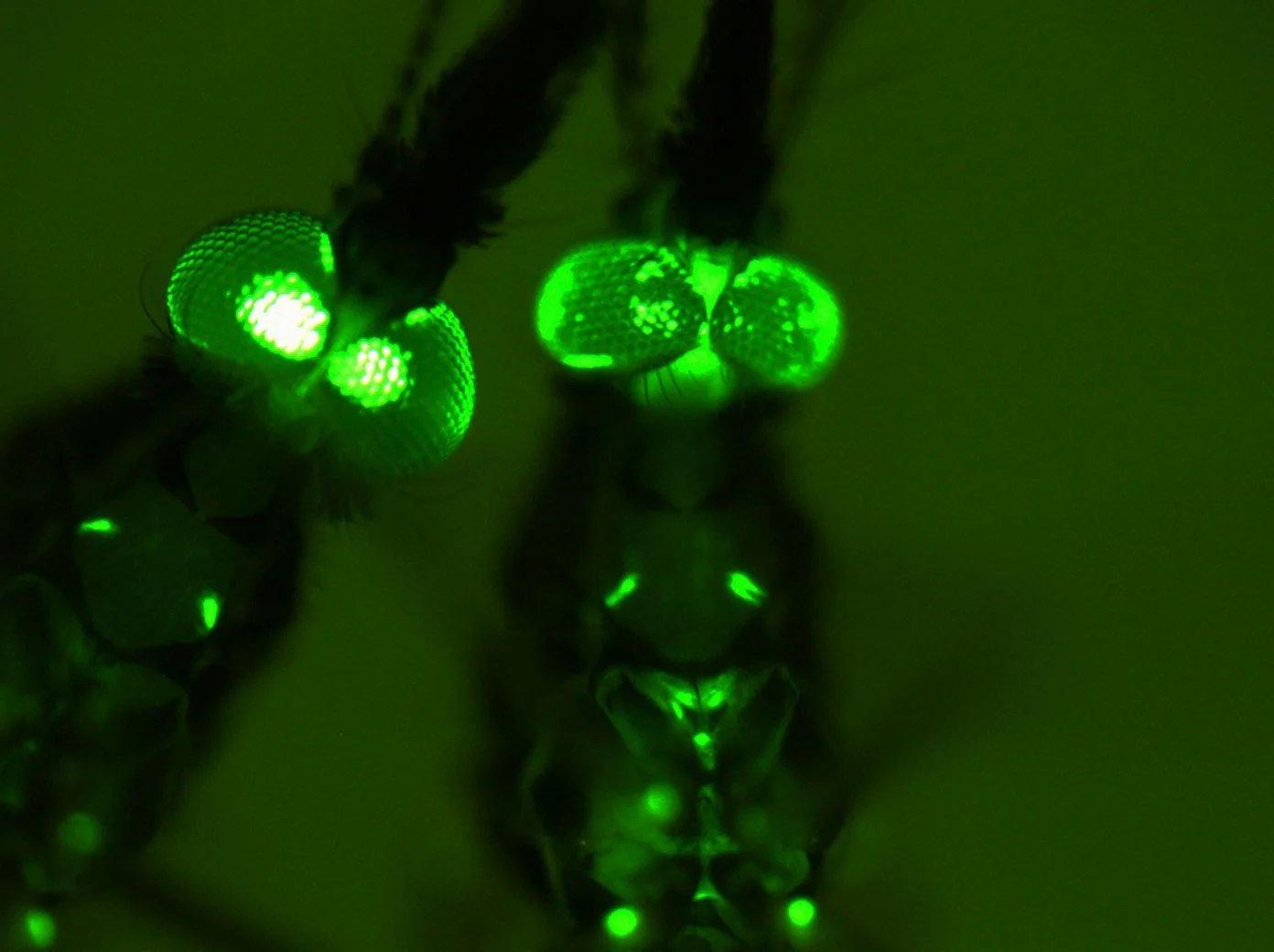
To be transmitted, malaria parasites and arboviruses must navigate a complex environment within their mosquito vectors. They must evade the mosquito's immune attacks while simultaneously exploiting specific mosquito proteins (host factors) to reach the salivary glands and become infectious.
Our research is dedicated to identifying and characterizing these critical molecular interactions using cutting-edge functional genomics and molecular biology. We then apply this knowledge to engineer mosquitoes that are resistant to these pathogens, or die when they become infected. Our primary strategies involve:
Boosting mosquito defenses through the transgenic expression of anti-pathogen molecules.
Disrupting pathogen development by using gene editing to modify the host factors essential for infection.
Incorporating pathogen-inducible mosquito-killing toxin-encoding gene constructs in the mosquito genome.
//////////////////////////////////////////
// Featured Project //
Microbial biopesticides
for mosquito control
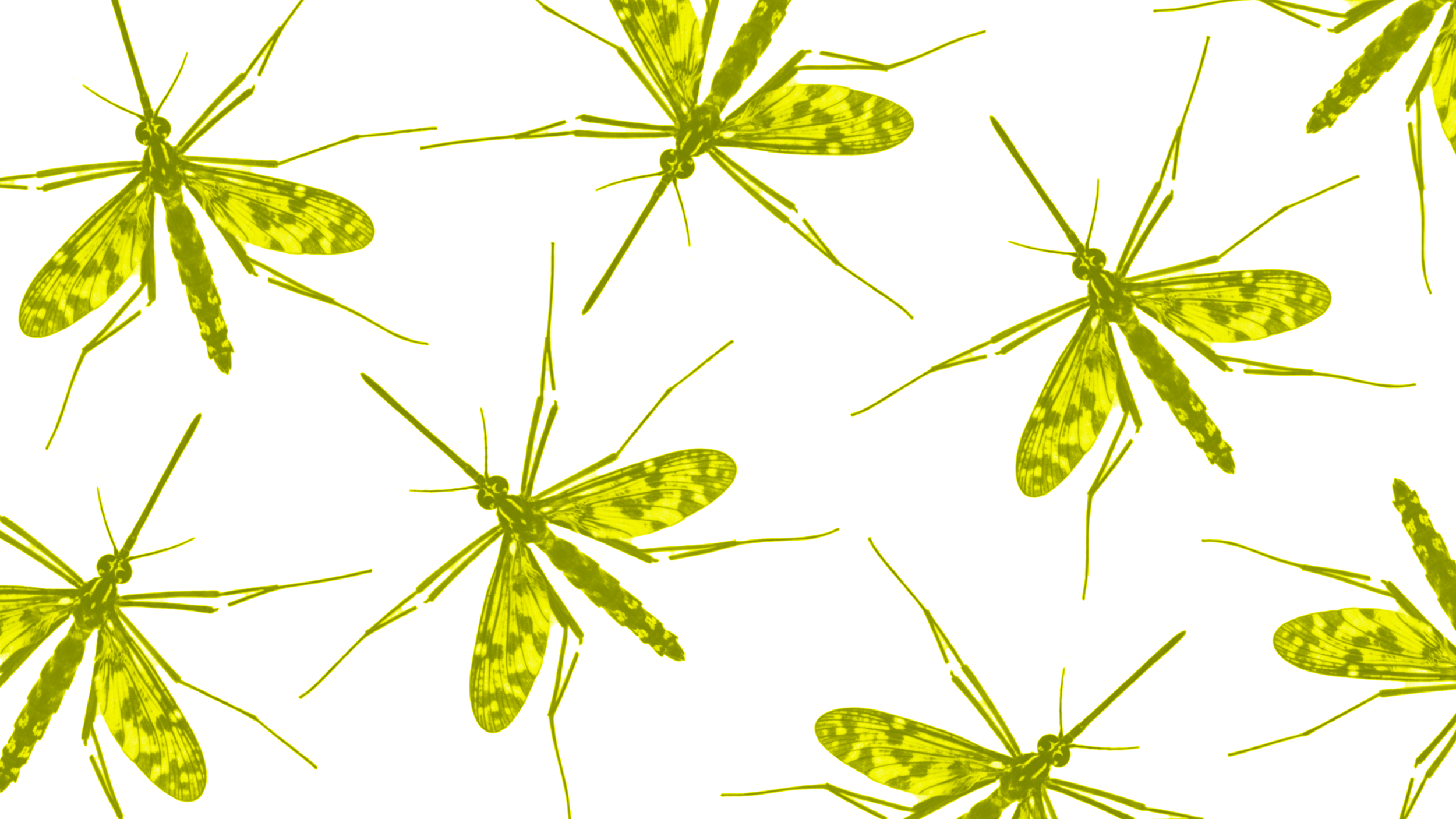
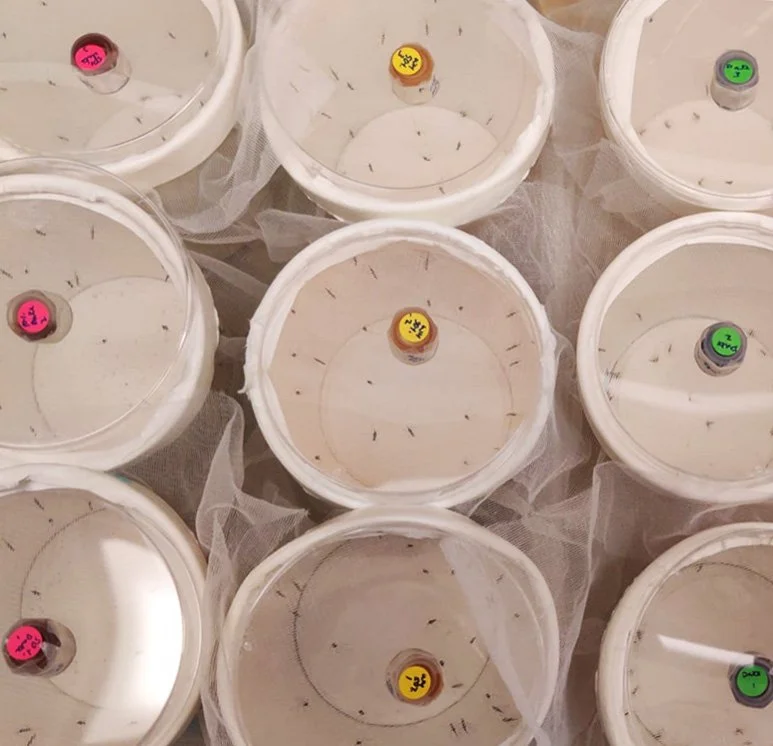
We identify and develop natural environmental bacteria as eco-friendly biopesticides for mosquito control.
Our research pipeline encompasses four key stages:
Discovery: Identifying bacteria with insecticidal properties from natural environments.
Characterization: Defining their spectrum of activity, mode of action, and the specific insecticidal molecules they produce.
Formulation: Engineering effective delivery technologies to target both larval and adult mosquitoes.
Validation: Conducting controlled field trials to assess the biopesticide's efficacy.
A leading candidate from our pipeline, a Chromobacterium-based biopesticide, has demonstrated high potency in semi-field trials. This prototype is currently in an advanced translational stage, progressing toward EPA registration and end-user product development.
//////////////////////////////////////////
// Featured Project //
Field-deployable
real-time malaria surveillance
A significant bottleneck in malaria control is the slow and cumbersome process of surveillance. Collecting mosquitoes from remote, endemic areas and transporting them to a central laboratory for analysis can take six months or longer. This lengthy delay critically undermines timely and effective decision-making for control campaigns.
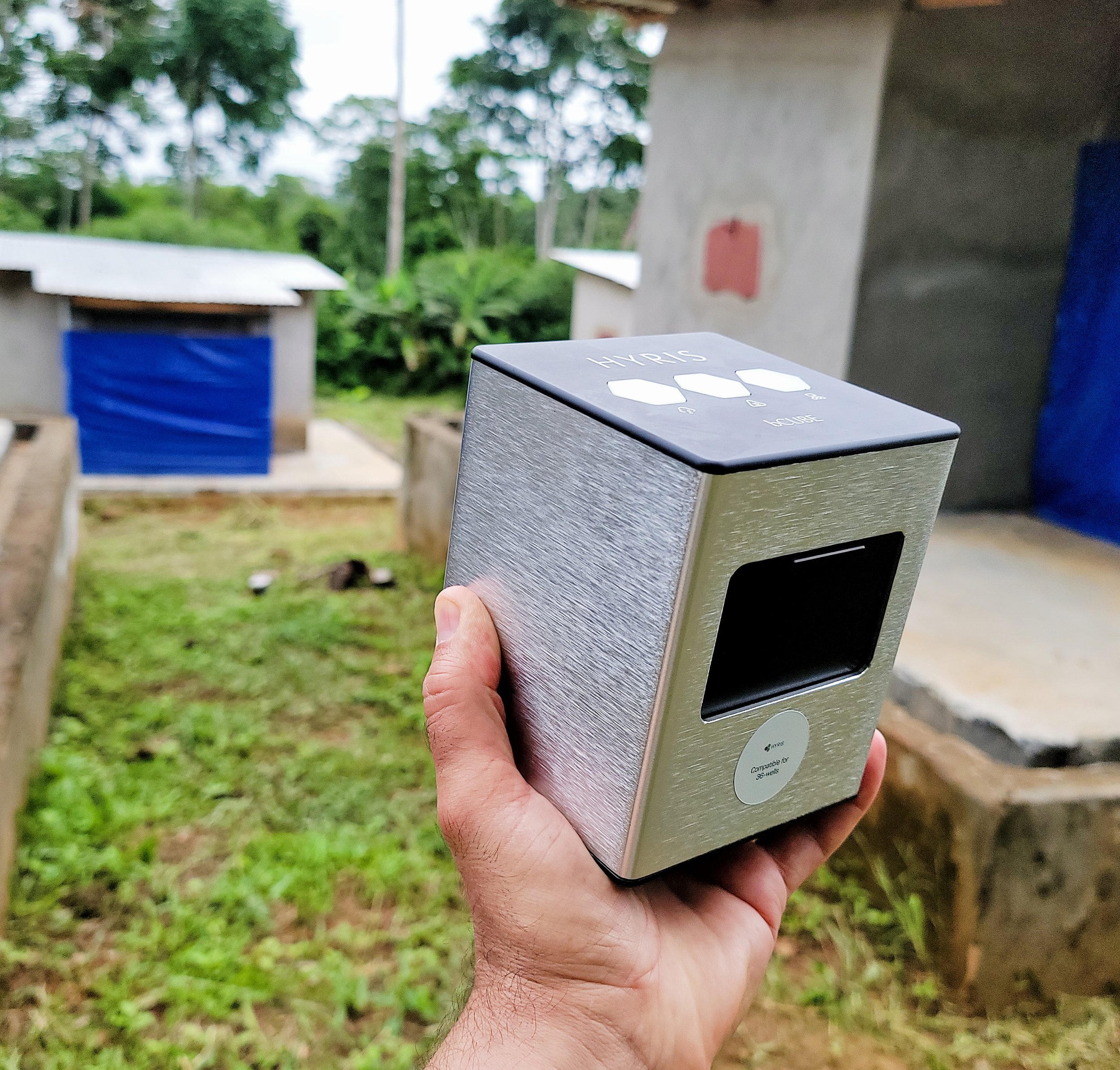
To address this challenge, we collaborate with the Center for Research on Infectious Diseases in Cameroon and the diagnostic technology company Hyris in Italy to develop a field-deployable molecular surveillance system. This portable, off-grid platform allows for on-site analysis of key parameters, including mosquito species, insecticide resistance, parasite infection, drug resistance, and blood meal sources.
Our system dramatically reduces the time from mosquito collection to actionable data to just 3-4 hours. The results can then be transmitted wirelessly to malaria control programs, enabling rapid, data-driven interventions to protect vulnerable communities.
Thank you to our project collaborators
////////////////




























Thank you to our funders
////////////////